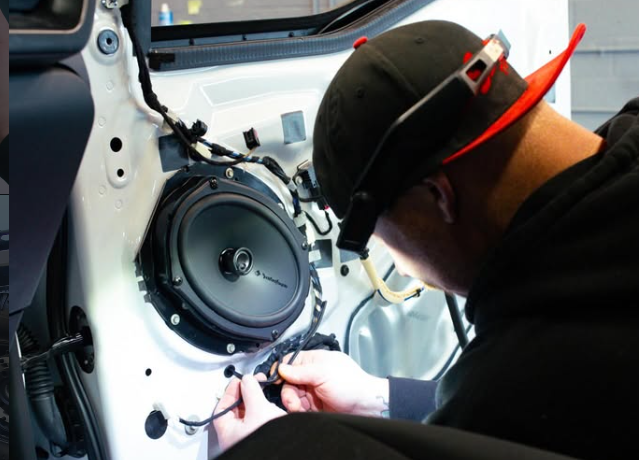
If you’re thinking about upgrading your car’s sound system, one of the first questions that probably comes to mind is, “How much is this actually going to cost?”
The answer isn’t always straightforward, and that’s a good thing.
A quality car audio upgrade isn’t about finding the most expensive speakers or the biggest subwoofer. It’s about building a system that fits your vehicle, your listening habits, and your expectations. Someone who spends two hours a day commuting may have completely different goals than someone building a weekend show vehicle. Because of that, no two systems are exactly alike.
At Rainier Audio, we’ve worked with drivers across Tacoma and the surrounding area who came in with every type of goal imaginable. Some simply wanted clearer vocals and better sound quality during their daily drive. Others wanted chest-hitting bass, competition-level performance, or a completely custom installation that looked as impressive as it sounded. Every project starts with a conversation, not a price tag.
In this guide, we’ll break down what actually affects the cost of a professional car audio upgrade, explain what different investment levels can accomplish, and help you understand how to get the best value for your money. Whether you’re replacing a few factory speakers or planning a complete custom audio system, this guide will help you make an informed decision before investing in your vehicle.
There Isn’t a One Size Fits All Price
One of the biggest misconceptions about custom car audio is that there’s a standard price for an upgrade. In reality, that’s like asking how much it costs to remodel a kitchen. The answer depends entirely on what you’re trying to accomplish.
Every vehicle leaves the factory with a different starting point. Some come equipped with premium sound packages that only need a few strategic upgrades to unlock their full potential. Others have entry-level factory systems that benefit from replacing nearly every component.
Your personal preferences also play a huge role in determining the right system. Ask ten different people what they want from their car audio, and you’ll probably get ten different answers.
Some drivers are looking for:
- Better clarity at highway speeds
- Stronger bass without rattling the entire vehicle
- Louder volume with clean sound
- More balanced audio across every seat
- Factory-looking installations with hidden equipment
- Show-quality custom fabrication
- Improved podcast and phone call clarity during commutes
Each of these goals requires a different approach, different equipment, and a different level of installation.
That’s why experienced installers don’t start by recommending products—they start by asking questions.
Start With Your Goals, Not Your Budget
One of the biggest mistakes people make is shopping for equipment before they’ve identified what they actually want their new system to do.
It’s easy to get caught up comparing speaker brands, amplifier wattage, or subwoofer sizes online, but those specifications don’t tell the whole story. The best audio systems aren’t built by collecting expensive components—they’re designed around the driver’s expectations.
Before recommending a single product, we want to understand how you use your vehicle.
Questions like these help shape the entire system:
- What do you enjoy listening to most?
- What do you dislike about your current factory system?
- Do you want more bass, better clarity, or both?
- Is maintaining a factory appearance important to you?
- Do you plan to keep the vehicle for several years?
- Would you rather upgrade everything now or improve the system over time?
The answers to these questions help determine which upgrades will make the biggest impact.
For example, someone who mainly listens to podcasts during their commute may benefit far more from upgraded speakers and proper tuning than they would from adding a large subwoofer. On the other hand, someone who enjoys hip-hop, EDM, or rock music may prioritize stronger low-end performance while still maintaining balanced sound throughout the cabin.
The goal isn’t to install the most equipment possible. The goal is to create a system that makes every drive more enjoyable.
What Actually Affects the Cost of a Car Audio Upgrade?
When most people think about the cost of upgrading their sound system, they immediately think about speakers or subwoofers. While those are certainly important pieces of the puzzle, they’re only part of the overall investment.
Several factors determine the final cost of a professional car audio installation.
Your Vehicle
Every vehicle presents different installation challenges.
Some vehicles offer plenty of room for routing wiring, mounting amplifiers, or adding subwoofers. Others require significantly more disassembly, custom fabrication, or specialized integration to preserve factory electronics.
Modern vehicles have become increasingly sophisticated, with infotainment systems controlling everything from climate settings to safety features. Replacing or integrating with these systems often requires additional components and programming to ensure everything continues working properly.
The Equipment You Choose
Not all audio equipment is created equal.
Higher-quality speakers, amplifiers, digital signal processors (DSPs), and subwoofers generally offer better sound quality, improved durability, and greater reliability than entry-level components.
More importantly, quality equipment is engineered to work together as part of a complete system rather than simply producing more volume.
Choosing equipment based solely on price often leads to disappointing results, while selecting components that complement one another creates a more balanced and enjoyable listening experience.
Installation Complexity
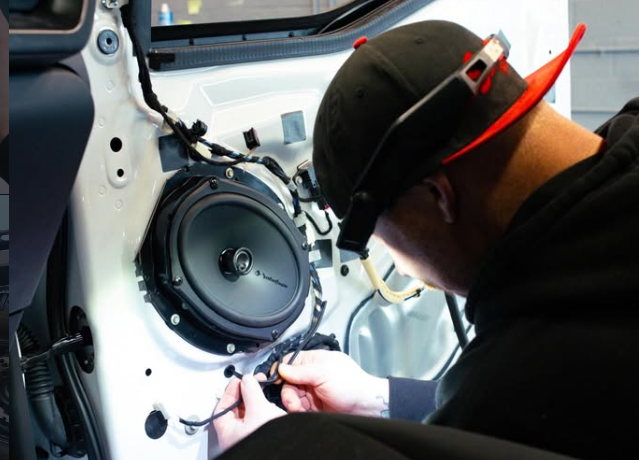
Professional installation is much more than connecting wires.
A proper installation includes securely mounting equipment, protecting electrical systems, integrating with factory electronics, routing wiring safely, minimizing unwanted noise, and ensuring every component performs as intended.
Attention to detail during installation plays a major role in both sound quality and long-term reliability.
A clean installation also makes future upgrades and servicing significantly easier.
Tuning
Perhaps the most overlooked part of any car audio system is tuning.
Many people assume that buying better speakers automatically creates better sound. In reality, proper tuning is often what separates an average system from an exceptional one.
Digital Signal Processing (DSP), equalization, crossover adjustments, and time alignment allow installers to fine-tune how every speaker performs inside your specific vehicle.
Two systems using identical equipment can sound dramatically different depending on how they’re tuned.
For that reason alone, professional tuning is one of the most valuable parts of a complete installation.
What Does Your Investment Actually Get You?
One of the biggest misconceptions about upgrading a car audio system is that spending more money automatically means better sound. In reality, the value comes from building a complete system that works together rather than simply buying expensive equipment.
Think of it like building a home. High-quality materials are important, but without proper planning and craftsmanship, the finished product won’t perform the way it should. Car audio works the same way.
Rather than focusing on exact price points, it’s more helpful to understand what different levels of investment can accomplish.
Entry-Level Upgrades: Improving Your Daily Drive
If your goal is simply to enjoy your music more during your commute, an entry-level upgrade can make a dramatic difference.
Many factory speaker systems are built to meet a price point, not deliver premium sound. Upgrading your speakers alone can provide cleaner vocals, improved detail, and a more balanced listening experience without completely rebuilding the system.
An entry-level upgrade is often ideal for drivers who:
- Want better sound quality without major modifications
- Listen to music or podcasts during their commute
- Plan to keep their factory radio
- Want a noticeable improvement while staying within a comfortable budget
These systems focus on enhancing the areas where factory audio typically falls short while maintaining the simplicity and reliability of your original setup.
Mid-Level Systems: Where Most Drivers Find the Sweet Spot
For many customers, this is where a vehicle truly begins to come alive.
Instead of simply replacing speakers, a mid-level system introduces components that work together to dramatically improve the overall listening experience.
Depending on your goals, this may include:
- Premium speakers
- A dedicated amplifier
- A subwoofer for deeper, more accurate bass
- Digital Signal Processing (DSP)
- Factory system integration
- Professional tuning
Rather than just making your music louder, these upgrades create better balance throughout the vehicle. Vocals become clearer, instruments separate naturally, and bass feels controlled instead of overwhelming.
For many drivers, this level of upgrade offers the best balance between performance, value, and long-term satisfaction.
Premium Custom Audio Systems
For enthusiasts who want exceptional sound quality, a premium custom audio system allows every component to be tailored to the vehicle and the driver.
These systems may include:
- Multiple amplifiers
- Fully customized speaker layouts
- Precision DSP tuning
- Custom-built subwoofer enclosures
- Sound deadening throughout the vehicle
- Hidden equipment installation
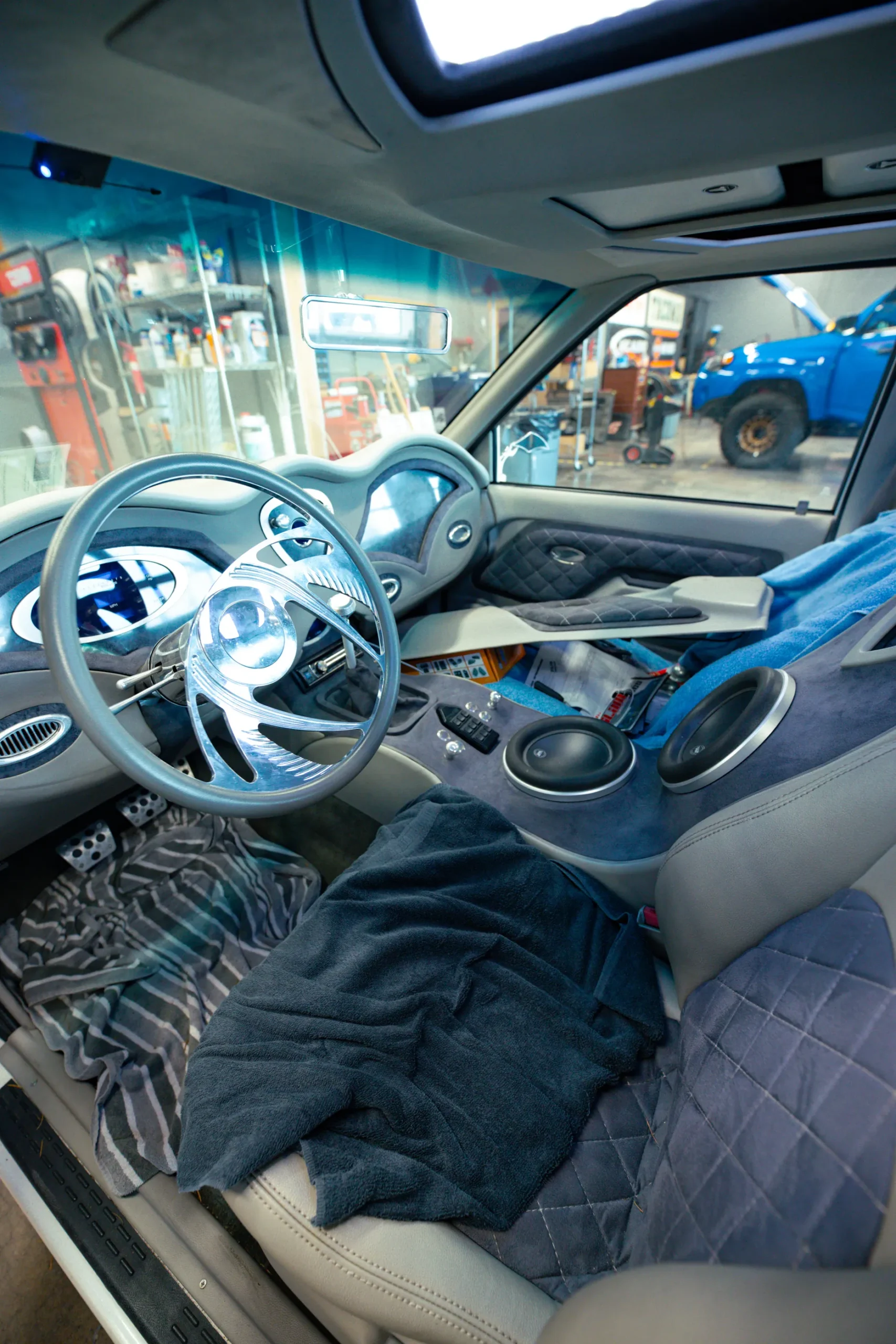
- Custom fabrication
- OEM-style finishes
At this level, every decision is intentional. Equipment isn’t chosen simply because it’s expensive—it’s selected because it complements every other part of the system.
The result is a listening experience that feels effortless, detailed, and immersive every time you get behind the wheel.
The Biggest Mistake We See
One of the most common mistakes people make is buying equipment one piece at a time without an overall plan.
It’s easy to understand why.
Someone reads great reviews about a particular speaker, finds an amplifier on sale, or buys a subwoofer because a friend recommended it. Before long, they’ve spent a significant amount of money without ever designing a complete system.
Unfortunately, expensive equipment doesn’t guarantee great sound.
We’ve seen vehicles with thousands of dollars in premium components that still underperform because the system wasn’t planned correctly.
Some common examples include:
- Installing premium speakers without enough clean power
- Adding a powerful subwoofer that overpowers the rest of the system
- Mixing equipment that wasn’t designed to work together
- Skipping professional tuning altogether
- Using low-quality wiring or installation materials
- Ignoring sound deadening and vehicle acoustics
When one component becomes the focus, the overall listening experience often suffers.
The best systems are built as complete packages where every component complements the next.
That’s why professional planning is just as important as the equipment itself.
Why Professional Installation Makes Such a Big Difference
A lot happens behind the dashboard that most people never see.
Professional installation isn’t just about making everything fit—it’s about ensuring every component performs safely, reliably, and exactly as intended.
A quality installation includes:
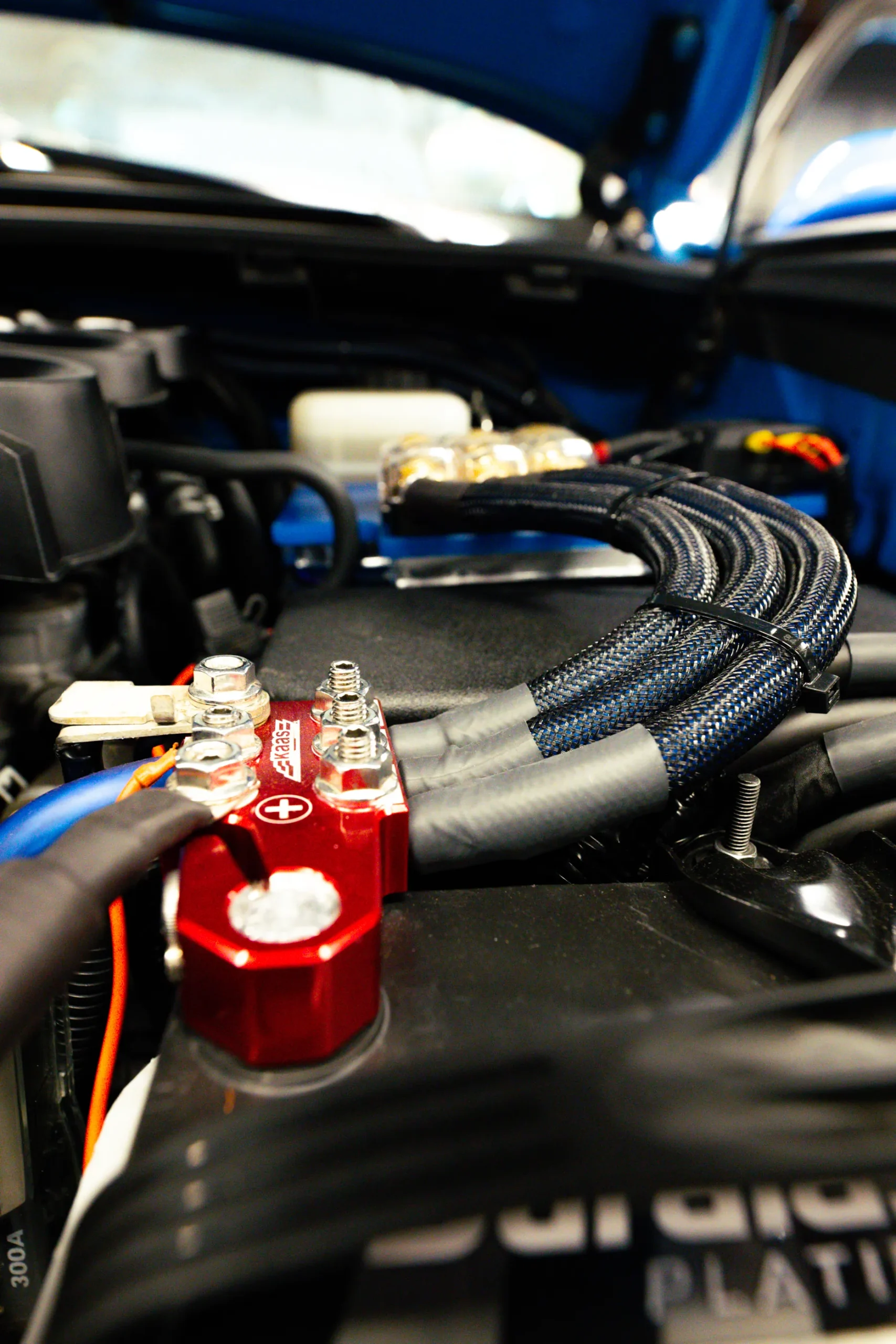
- Proper power distribution
- Secure equipment mounting
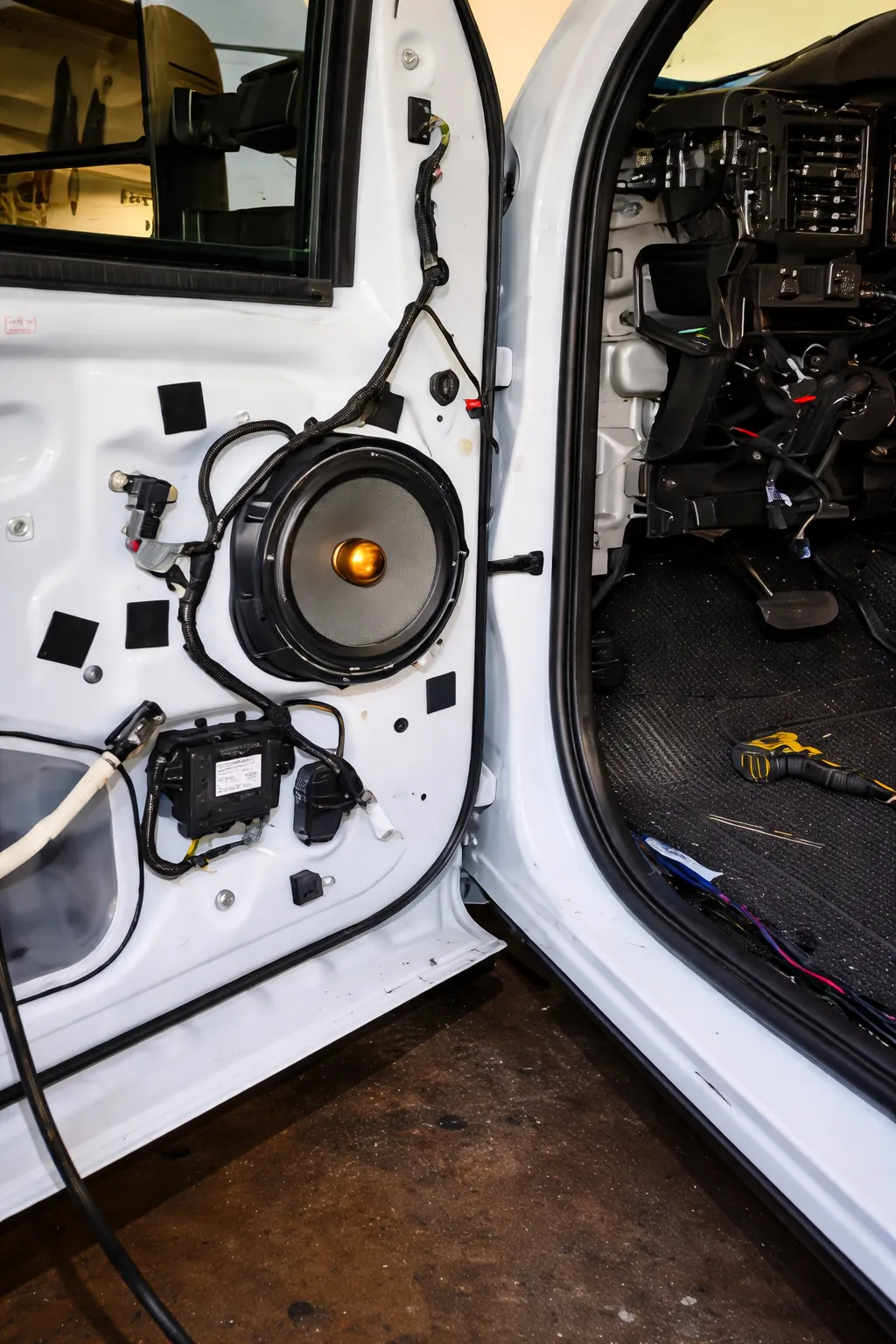
- Clean wire routing
- Factory-safe integration
- Electrical protection
- Noise reduction
- Long-term serviceability
These details may not be visible once the vehicle is reassembled, but they directly affect both performance and reliability.
Professional installers also understand how to preserve factory features that many drivers rely on every day.
Modern vehicles often integrate climate controls, steering wheel controls, backup cameras, parking sensors, and driver-assistance features into the factory infotainment system. A properly designed upgrade allows you to improve your sound system while maintaining the functionality you’ve come to expect.
Just as importantly, professional installation protects your investment.
Quality equipment deserves quality workmanship.
Building a System That Can Grow With You
Not everyone upgrades their entire vehicle at once, and that’s perfectly okay.
One advantage of working with an experienced installer is designing a system that leaves room for future improvements.
For example, you may begin with upgraded speakers and later decide to add an amplifier. Down the road, you might incorporate a subwoofer or a DSP to fine-tune the system even further.
Because the original installation was planned with future expansion in mind, each upgrade builds upon the last rather than replacing work that’s already been completed.
This approach often saves money in the long run while allowing you to enjoy noticeable improvements at every stage.
Instead of feeling pressured to do everything at once, you can build a system that grows alongside your needs and your budget.
Frequently Asked Questions About Car Audio Upgrades
Is upgrading my factory speakers enough?
It depends on what you’re hoping to improve.
For many drivers, replacing factory speakers is one of the most noticeable upgrades you can make. Higher-quality speakers can deliver clearer vocals, more detailed instruments, and a fuller overall sound than most factory systems provide.
However, speakers are only one part of the equation. If you’re looking for significantly more volume, stronger bass, or a more immersive listening experience, adding an amplifier or a subwoofer may provide a much greater improvement. Every vehicle is different, which is why a consultation is the best way to determine what upgrades will give you the biggest return on your investment.
Can I keep my factory radio?
Absolutely.
Modern vehicles integrate many important features into the factory infotainment system, including backup cameras, steering wheel controls, navigation, Bluetooth connectivity, and climate controls. In many cases, these features can all be retained while dramatically improving your audio system.
Professional integration allows you to enjoy better sound without sacrificing the convenience and functionality of your factory equipment.
Do I really need an amplifier?
An amplifier isn’t required for every upgrade, but it can make a significant difference.
Factory radios often don’t produce enough clean power to get the most out of aftermarket speakers. A dedicated amplifier delivers consistent power, allowing your speakers to perform the way they were designed to. The result is improved clarity, greater dynamic range, and cleaner sound at both low and high volumes.
If you’re investing in premium speakers, an amplifier is often one of the best ways to maximize their performance.
Is a DSP worth it?
For many systems, yes.
A Digital Signal Processor (DSP) allows your installer to fine-tune the audio specifically for your vehicle’s interior. It adjusts timing, equalization, crossover points, and speaker balance to create a more natural listening experience.
Instead of all the sound appearing to come from the doors, a properly tuned DSP can create the feeling that the music is coming from directly in front of you, similar to a live performance.
Many customers are surprised to learn that tuning alone can dramatically improve how their existing equipment sounds.
Can I upgrade my system over time?
Definitely.
Many customers choose to build their audio system in phases.
You might begin with upgraded speakers, then add an amplifier several months later, followed by a subwoofer or DSP when you’re ready. Planning the system correctly from the beginning ensures each upgrade works seamlessly with the next, helping you avoid replacing components unnecessarily.
Building your system over time is a practical approach that allows you to enjoy meaningful improvements while staying within your budget.
Will upgrading my audio system void my vehicle’s warranty?
A professionally installed audio system does not automatically void your vehicle’s warranty.
Experienced installers use proper integration methods and quality installation practices designed to preserve your vehicle’s electrical system and factory functionality. Choosing a reputable shop helps ensure your investment is protected while maintaining the reliability of your vehicle.
If you have questions about your specific vehicle, discussing them during your consultation is always recommended.
Why Tacoma Drivers Choose Rainier Audio
Choosing the right equipment is only part of building a great sound system. Equally important is choosing the right team to install it.
At Rainier Audio, we believe every installation should begin with understanding the customer—not with selling products.
Before recommending equipment, we take the time to learn how you use your vehicle, what kind of music you enjoy, what you feel your current system is missing, and what you’re hoping to achieve. That allows us to recommend upgrades that make sense for your goals instead of simply trying to sell the most expensive components.
Our installations are designed to look as good as they sound. From clean wiring and factory integration to professional tuning and long-term reliability, every detail matters because every detail contributes to the final listening experience.
Whether you’re looking for a subtle improvement to your daily commute or planning a fully customized audio build, our goal is always the same: deliver a system you’ll enjoy every time you turn the key.
Final Thoughts
Upgrading your car audio system isn’t about chasing the biggest speakers or the highest price tag. It’s about creating a listening experience that’s tailored to the way you drive, the music you enjoy, and the vehicle you own.
The right combination of quality equipment, thoughtful system design, professional installation, and expert tuning can completely transform your time behind the wheel. Whether you’re commuting across Tacoma, heading out on a road trip, or simply running errands around town, great sound has a way of making every drive more enjoyable.
If you’re considering upgrading your factory audio system but aren’t sure where to start, don’t worry—you don’t need to have all the answers before walking through the door.
At Rainier Audio, we’re here to help you understand your options, answer your questions, and design a system that fits your goals and your budget. No pressure, no one-size-fits-all packages, and no recommendations that don’t make sense for your vehicle.
If you’re ready to experience what your vehicle is truly capable of, contact Rainier Audio to schedule a consultation. Together, we’ll build a system that delivers the performance, reliability, and sound quality you’ve been looking for.