
How to Add Apple CarPlay and Modern Tech to Your Older Vehicle in Tacoma
Upgrade your classic Tacoma with the latest Apple CarPlay features. Learn how modern tech can enhance your driving experience today.
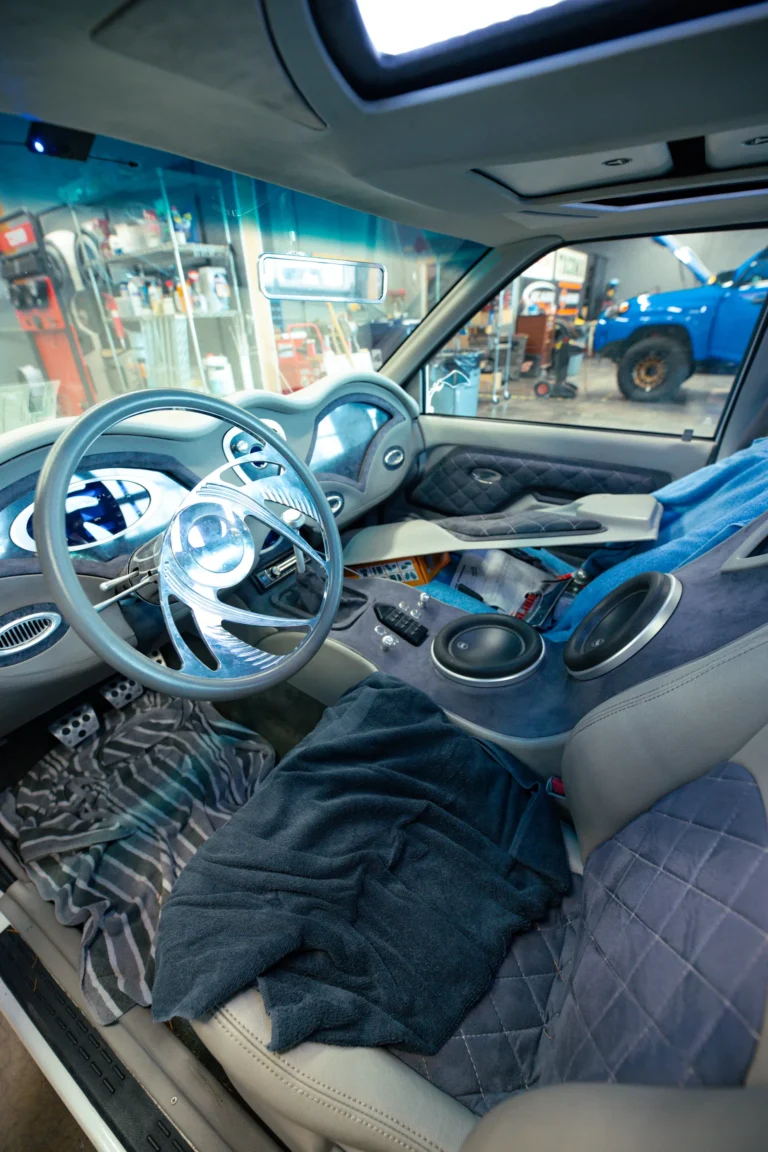
Upgrade your classic Tacoma with the latest Apple CarPlay features. Learn how modern tech can enhance your driving experience today.
Is DSP Tuning Worth It? The Audiophile’s Guide to Perfect Car Audio in Tacoma and Lakewood, WA For audiophiles seeking the ultimate car audio experience, the question of whether Digital Signal Processing (DSP) tuning is worth the investment arises frequently. DSP tuning transforms car audio systems through precise audio signal modifications, ensuring sound quality that…
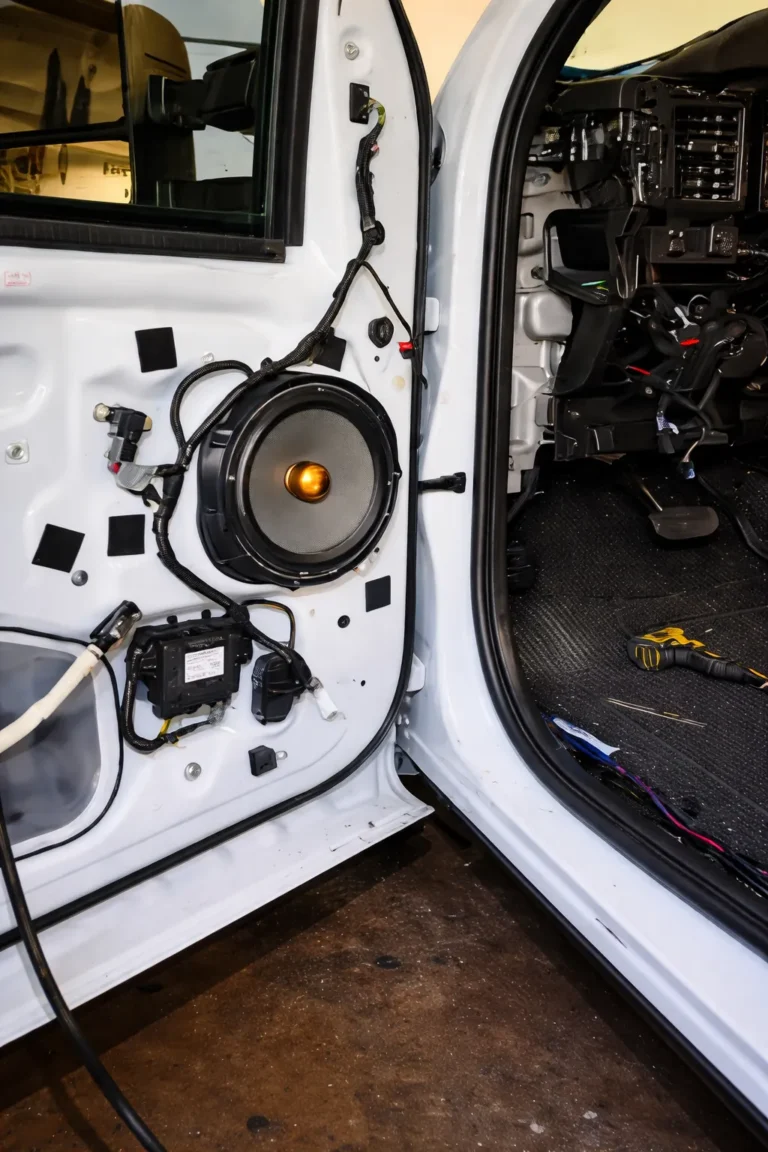
If you’re thinking about upgrading your car’s sound system, one of the first questions that probably comes to mind is, “How much is this actually going to cost?” The answer isn’t always straightforward, and that’s a good thing. A quality car audio upgrade isn’t about finding the most expensive speakers or the biggest subwoofer. It’s…

Get expert remote start installation quotes in Tacoma. Custom installs ensure optimal performance and reliability for your vehicle. Request a quote today!
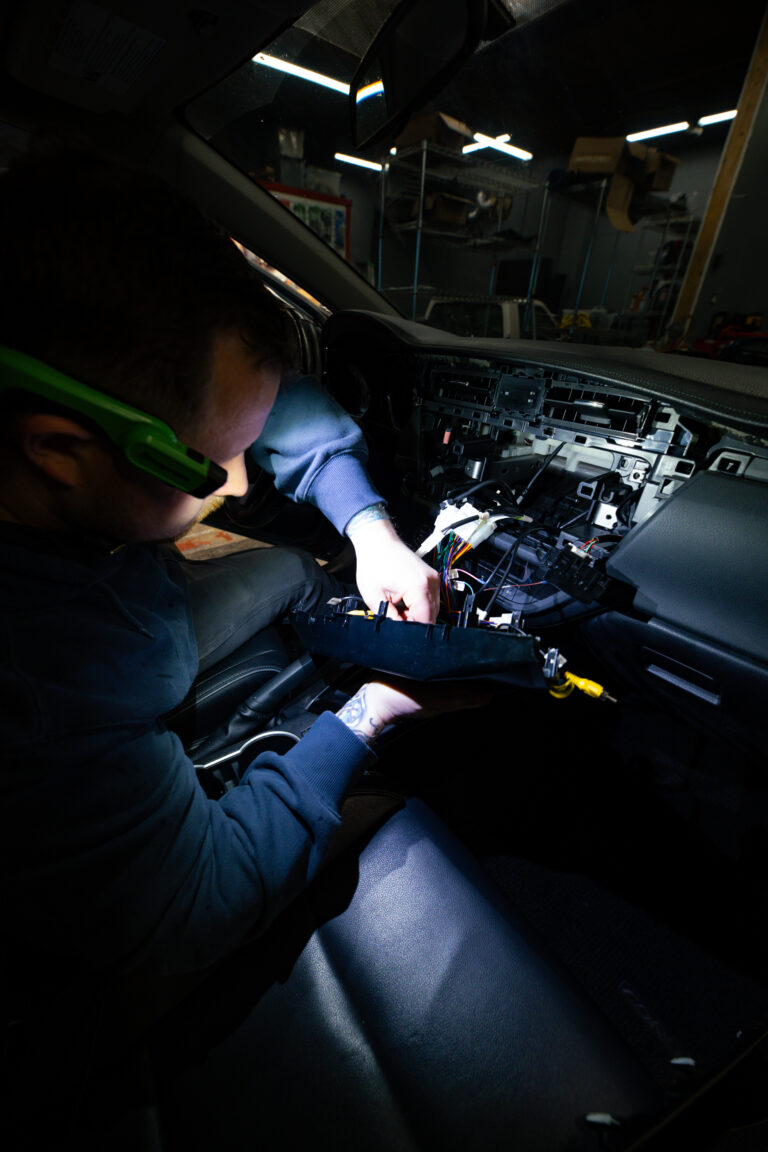
Elevate your driving experience in Tacoma with professional Apple CarPlay and backup camera installation. Enhance safety and connectivity on the road today!
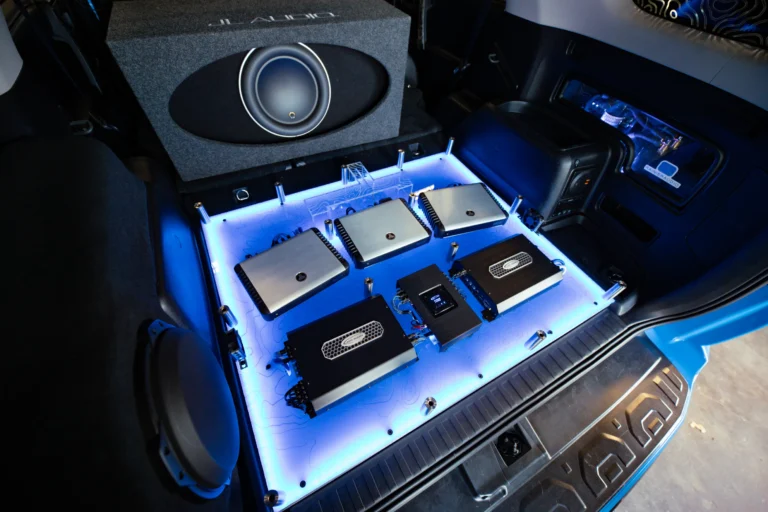
Transform your Tacoma with custom car audio solutions. Rainier Audio specializes in upgrades and speaker installations to elevate your driving experience today!
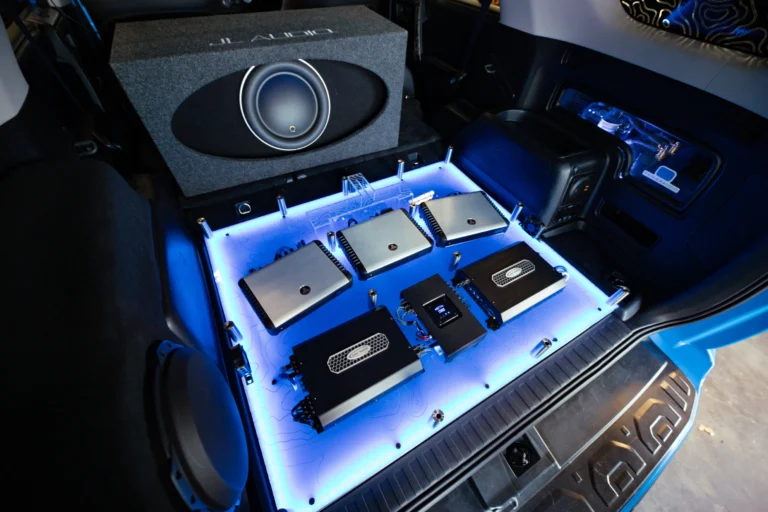
Size, power, and enclosure type all matter. We break down what to look for so you get bass that hits — without rattling your mirrors off. A subwoofer can transform your car audio experience, but choosing the wrong one leads to muddy bass, wasted power, or an enclosure that eats your entire trunk. Here’s how to get…
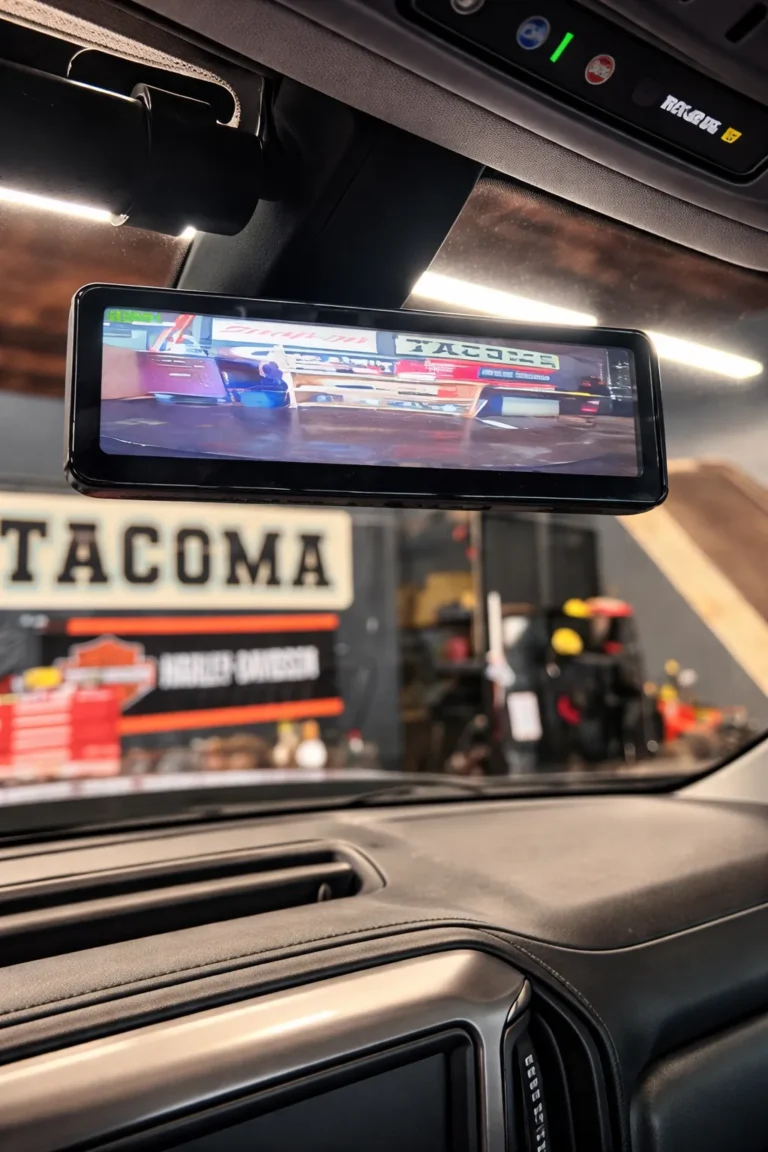
Resolution, night vision, parking mode — modern dash cams do a lot. Here’s how to pick the right one and why professional installation matters. Dash cams have evolved from grainy novelties into essential vehicle accessories. Whether you want protection against insurance fraud, theft documentation, or just peace of mind, here’s what to look for in 2025….
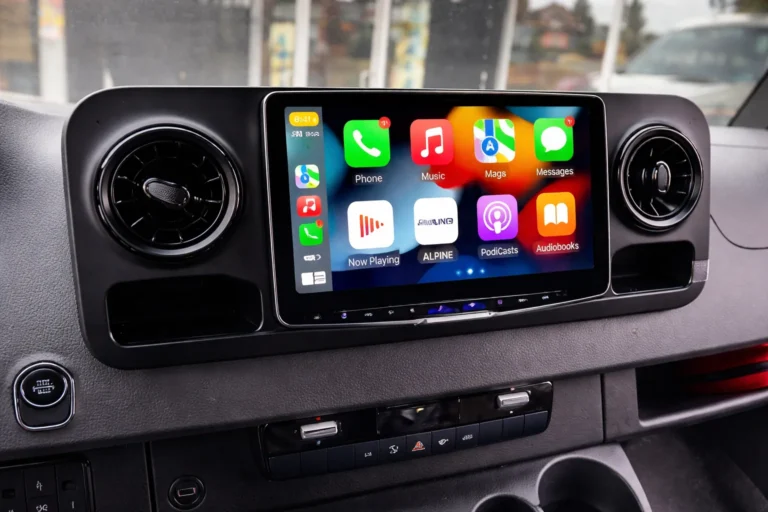
Both systems bring your phone’s best features to your dashboard, but they’re not identical. Here’s what every driver should know before choosing. If you’re upgrading your car’s head unit, one of the biggest decisions is whether to prioritize Apple CarPlay or Android Auto — or ideally, a unit that supports both. The Basics Apple CarPlay mirrors key iPhone…
To make informed decisions about car audio installations, it's essential to understand the various components that make up a car audio system. Key elements include head units, speakers, amplifiers, and subwoofers, each playing a distinct role in delivering sound quality and performance.
For instance, the head unit serves as the control center for your audio system, allowing you to connect your devices and manage playback. Speakers convert electrical signals into sound, while amplifiers boost the audio signal to enhance volume and clarity. Understanding these components helps users select the right products for their specific needs.
Installing car audio equipment can be a rewarding DIY project, but it requires careful planning and execution. Proper installation ensures optimal sound quality and longevity of the equipment. Key tips include reading the manufacturer’s instructions, using the right tools, and ensuring a clean and secure fit.
For example, when installing a subwoofer, it’s crucial to choose the right enclosure type and placement within the vehicle to maximize sound performance. Additionally, ensuring that all connections are secure and that the wiring is neatly organized can prevent issues down the line.
Many car audio enthusiasts make mistakes during installation that can affect sound quality and equipment performance. Common errors include improper wiring, neglecting to match components, and failing to configure settings correctly.
For instance, using mismatched speakers and amplifiers can lead to distortion and damage. It's also important to avoid over-tightening screws, which can damage components. By being aware of these pitfalls, users can improve their installation outcomes and enjoy their audio systems to the fullest.
Maintaining your car audio system is essential for ensuring its longevity and performance. Regular checks and cleaning can prevent issues such as poor sound quality and equipment failure. Simple maintenance tasks include inspecting connections, cleaning dust from speakers, and checking for any signs of wear.
For example, ensuring that all connections are tight and free of corrosion can significantly enhance sound clarity. Additionally, cleaning the head unit and speakers can help maintain optimal performance and prevent audio degradation over time.