Understanding Speaker Distortion
Speaker distortion can manifest as crackling, buzzing, or muffled sounds during playback. These issues often indicate that the speaker components are failing, leading to a diminished audio experience.
For instance, if you notice a significant drop in sound clarity or if certain frequencies are no longer audible, it may be time to consider replacing your speakers. Regularly testing your audio system and being aware of these signs can help maintain optimal sound quality.
Common Causes of Speaker Failure
Several factors can contribute to the deterioration of car speakers, including exposure to moisture, temperature fluctuations, and prolonged use at high volumes. Understanding these causes can help you prevent premature speaker failure.
For example, speakers that are frequently exposed to humidity from the environment may suffer from rust or corrosion, affecting their performance. Additionally, playing audio at high volumes consistently can strain the speaker cones, leading to eventual breakdown.
Benefits of Upgrading Your Car Audio System
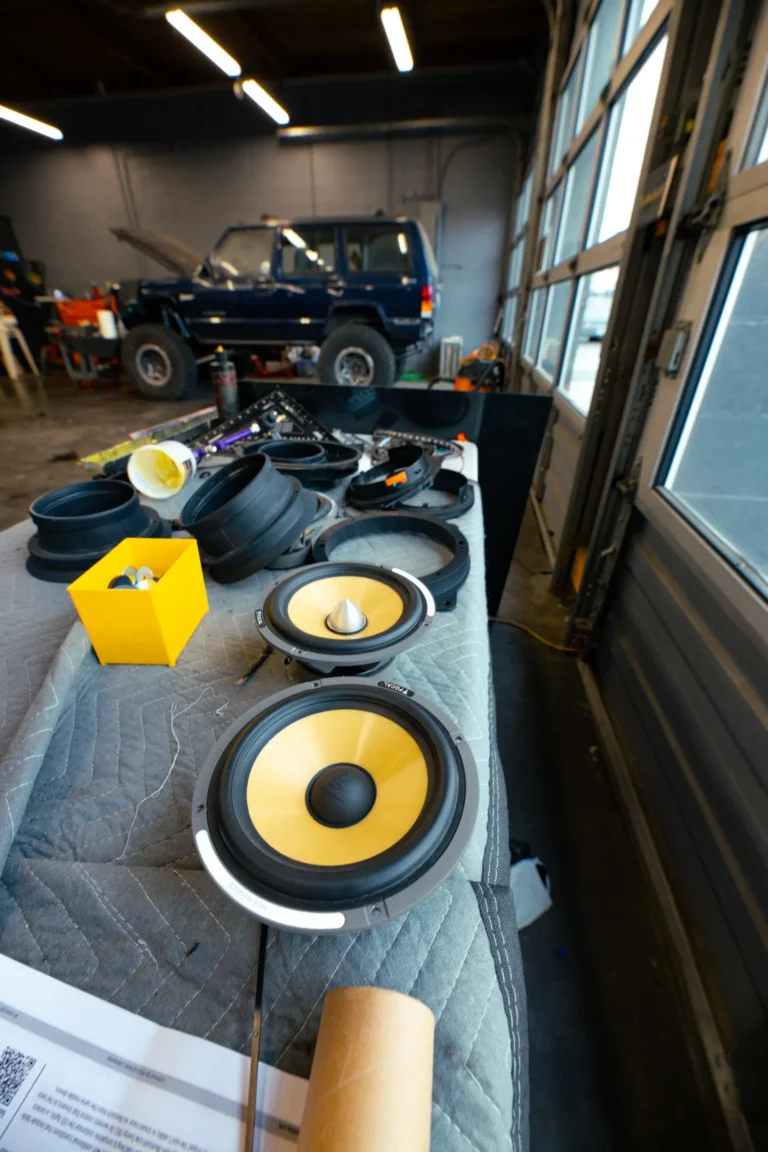
Upgrading your car audio system can significantly enhance your driving experience, providing clearer sound and richer bass. Newer speaker models often incorporate advanced technology that improves sound quality and durability.
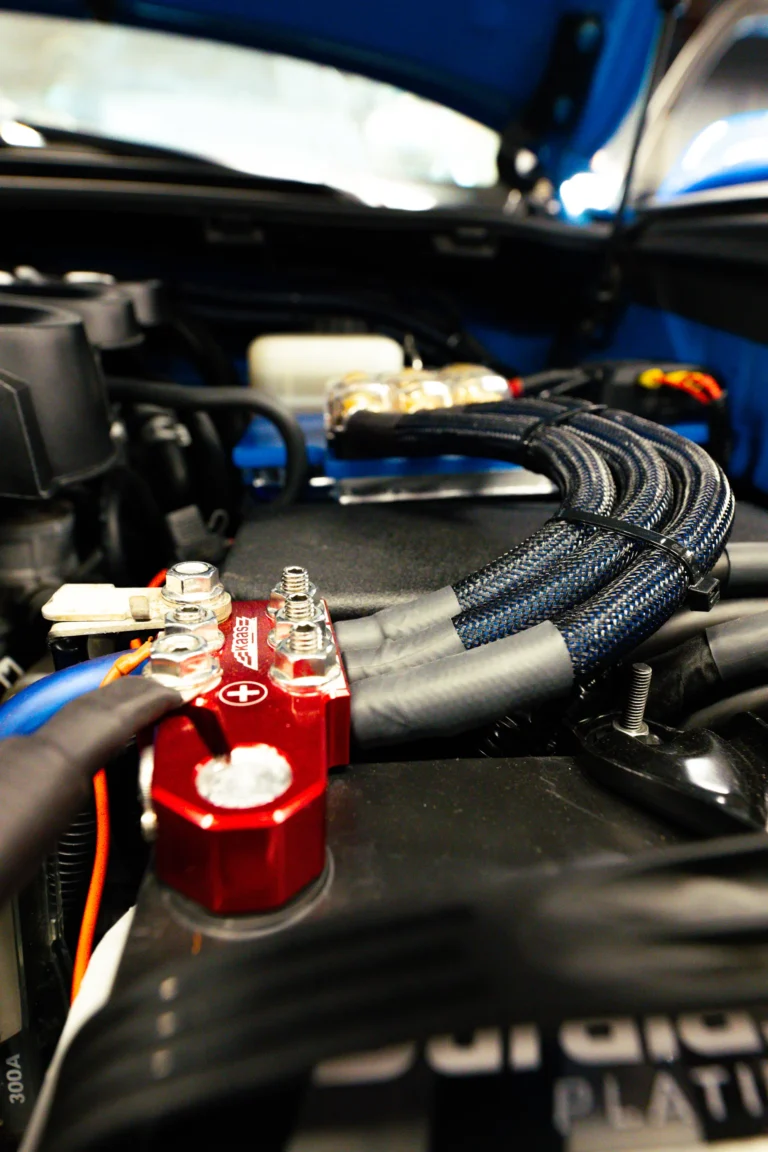
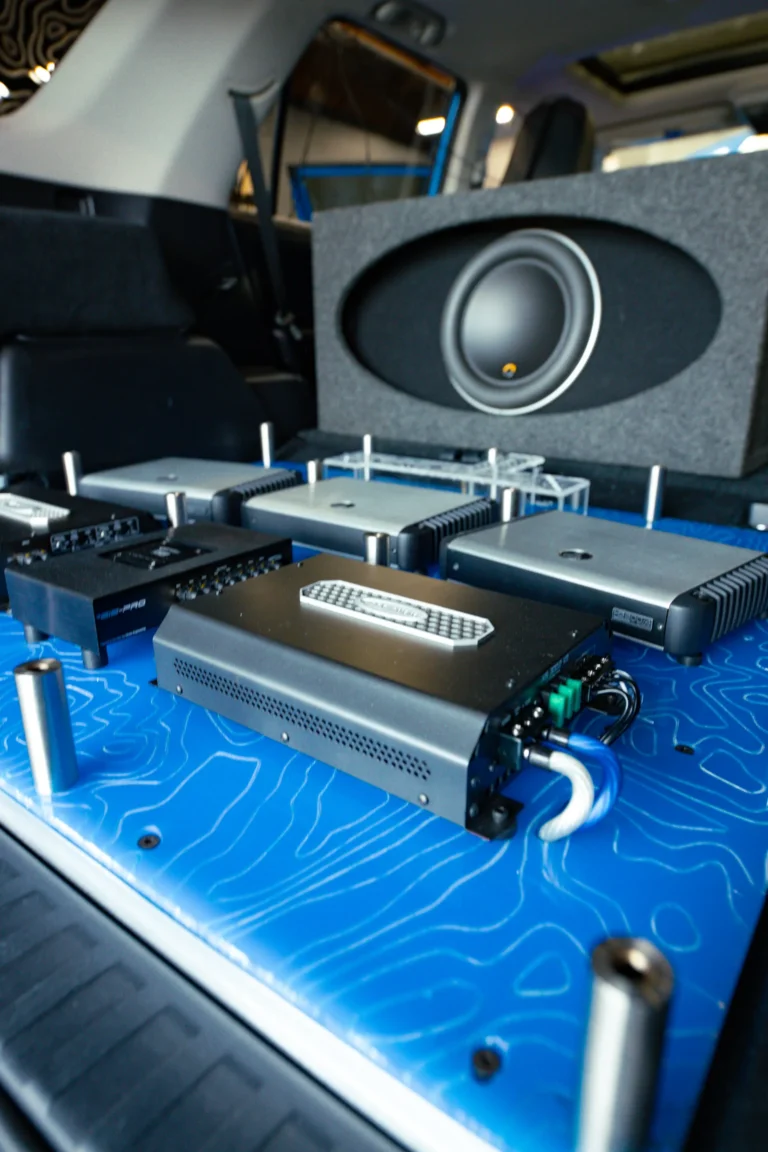
For example, investing in high-quality components such as subwoofers or amplifiers can create a more immersive audio environment. Many car owners find that upgrading their audio system not only elevates their listening experience but also increases the overall value of their vehicle.
When to Seek Professional Installation Services
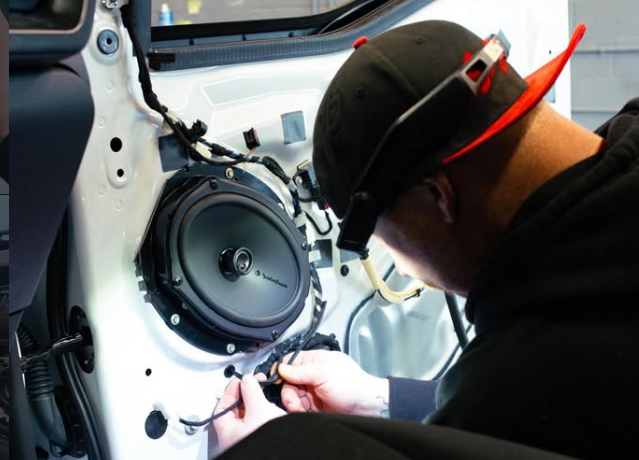
While some car audio upgrades can be done as a DIY project, there are instances when professional installation is advisable. Complex systems or custom installations often require expert knowledge to ensure optimal performance and safety.
For example, if you're considering a complete overhaul of your audio system, including the installation of amplifiers and subwoofers, hiring a professional can help avoid potential pitfalls and ensure that all components are correctly integrated and calibrated.